Version 2: software and testing
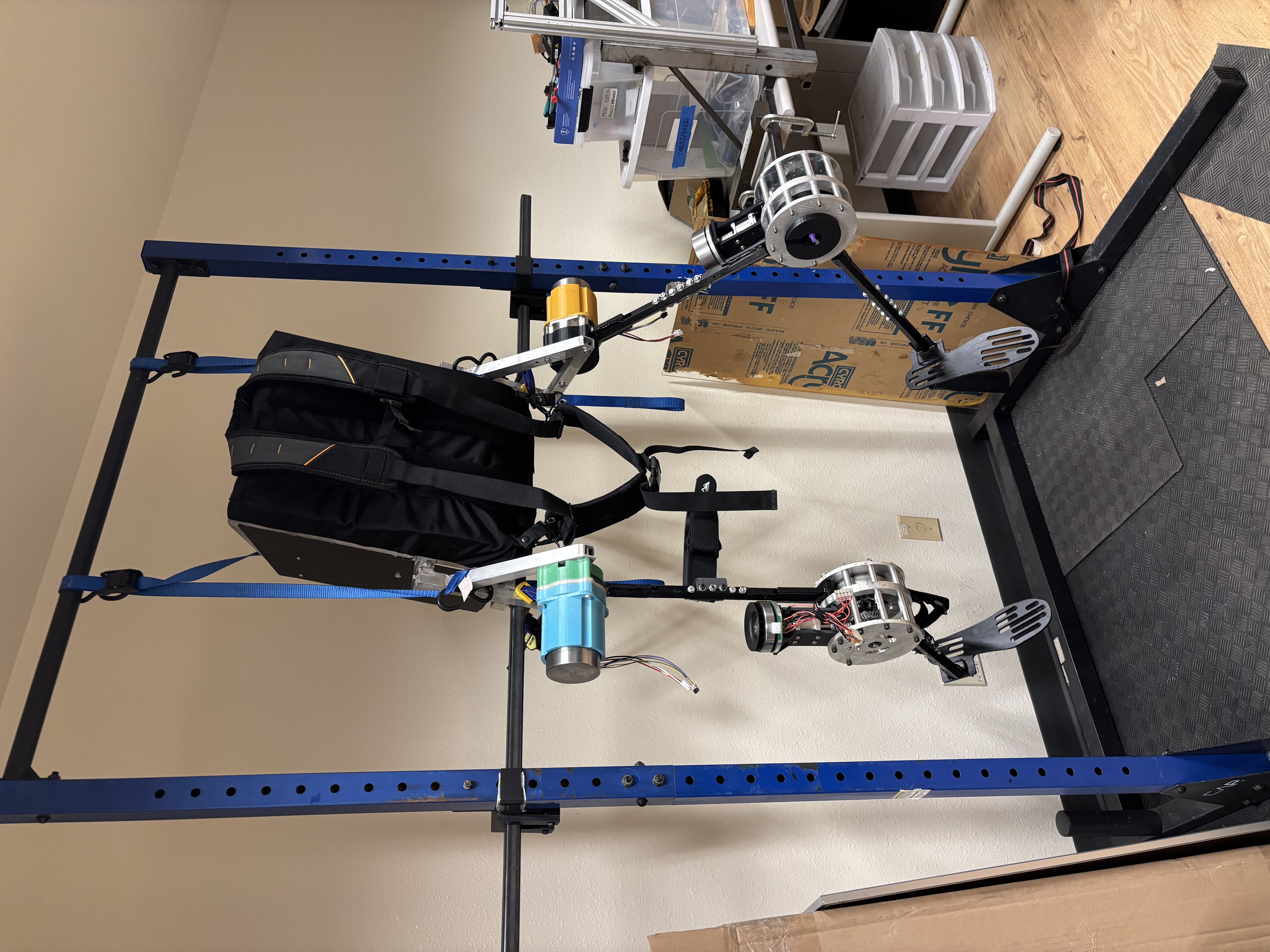
Manufacturing and assembly were completed in May 2026. We’re developing the software that controls the exoskeleton, with the goal of making Version 2 fully functional during 2026–27.
Cal Poly students are developing a powered lower-limb exoskeleton with the long-term goal of helping people with paraplegia stand and walk.
Our long-term goal is to help people with paraplegia stand and walk with assistance from a powered exoskeleton.
The exoskeleton is in development; independent mobility remains a long-term goal.
Students design and build mechanical components, electronics, and software, gaining practical experience in assistive technology. Comfort, performance, and safety guide our design decisions.
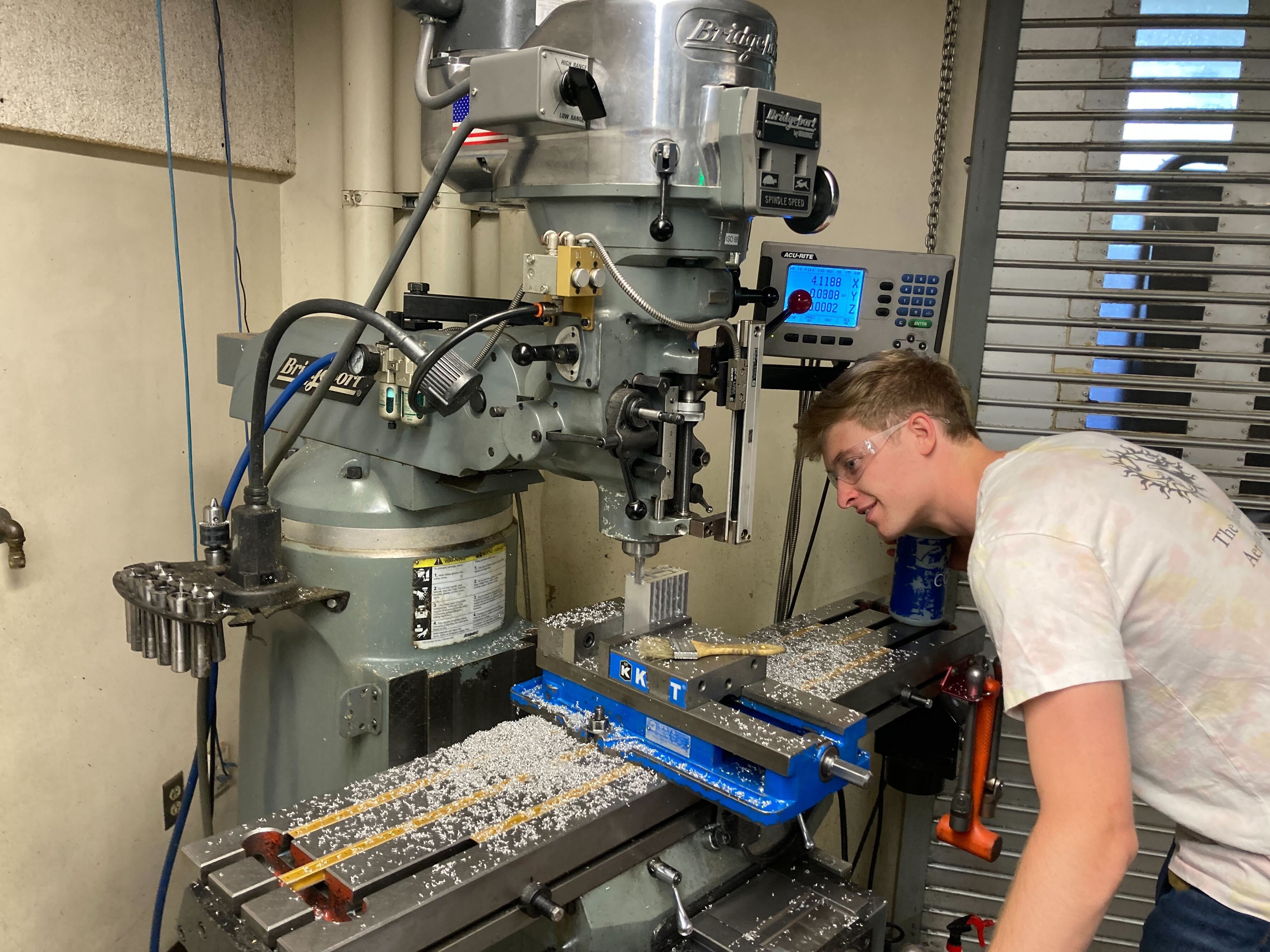
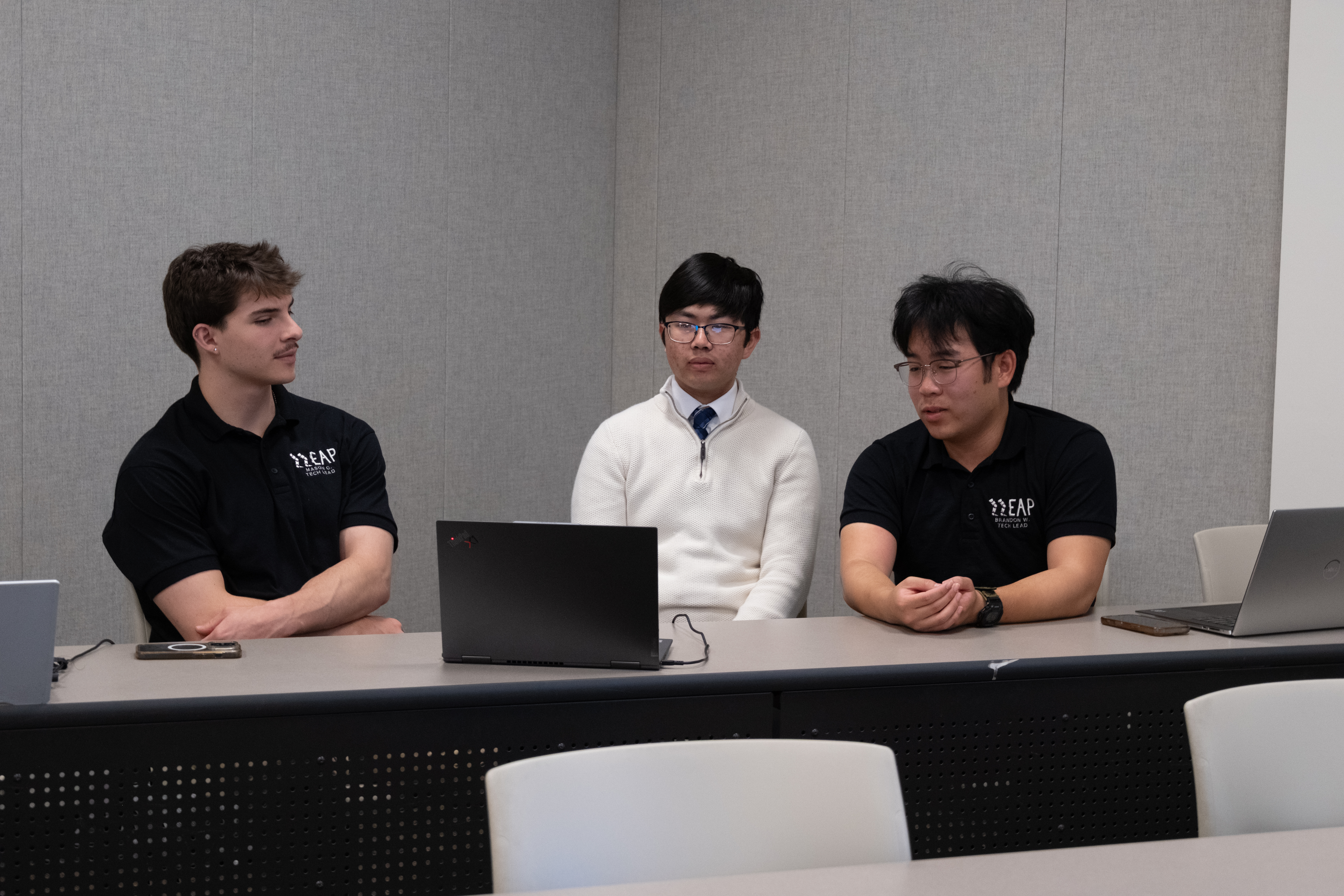
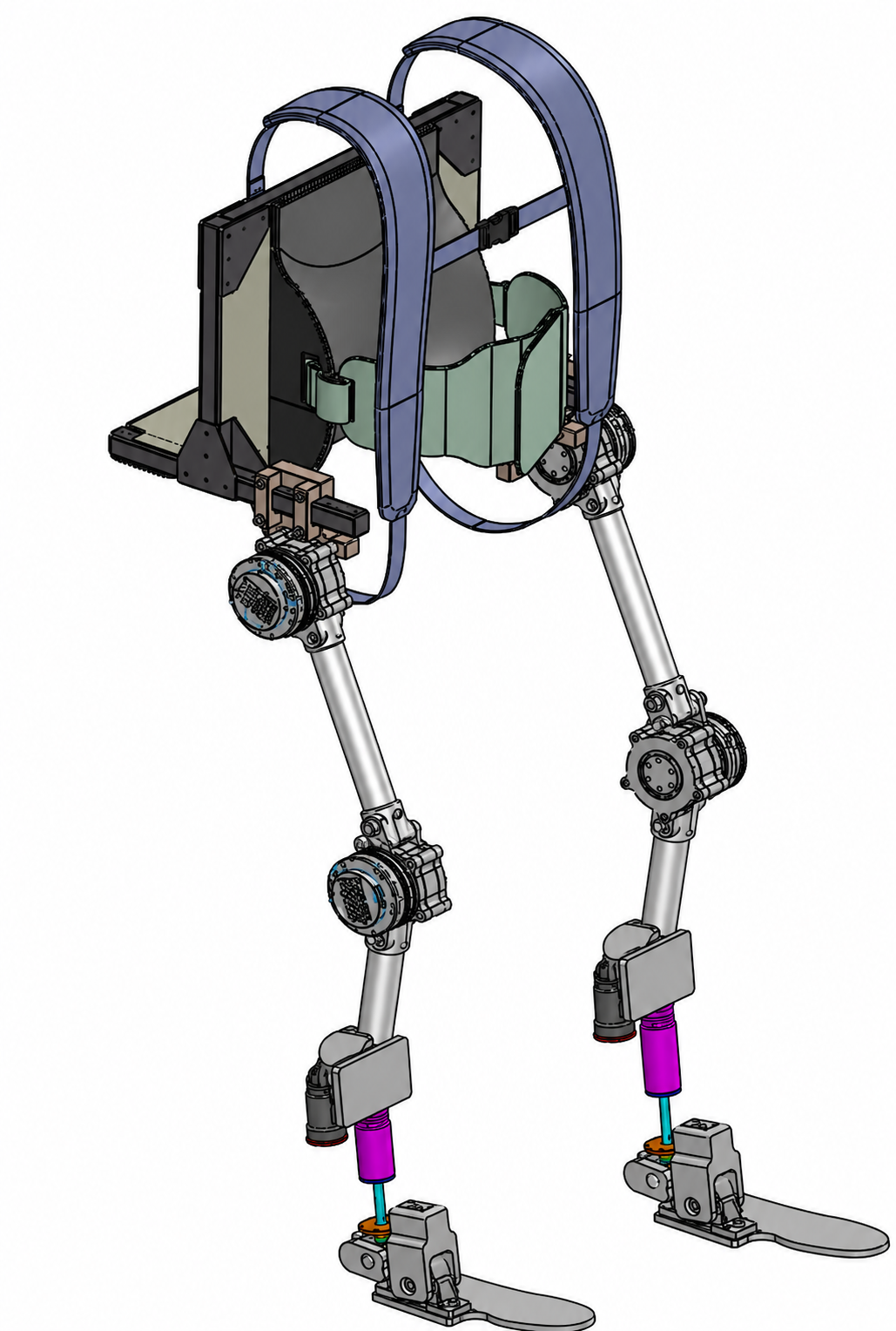
Our team is developing two independent exoskeletons, Versions 2 and 3. Each combines a structural frame, powered joints, electronics, and control software.
Manufacturing and assembly were completed in May 2026. We’re developing the software that controls the exoskeleton, with the goal of making Version 2 fully functional during 2026–27.
We’re designing and manufacturing the third iteration. Our goal is to manufacture and integrate its mechanical components by the end of the 2026–27 academic year.
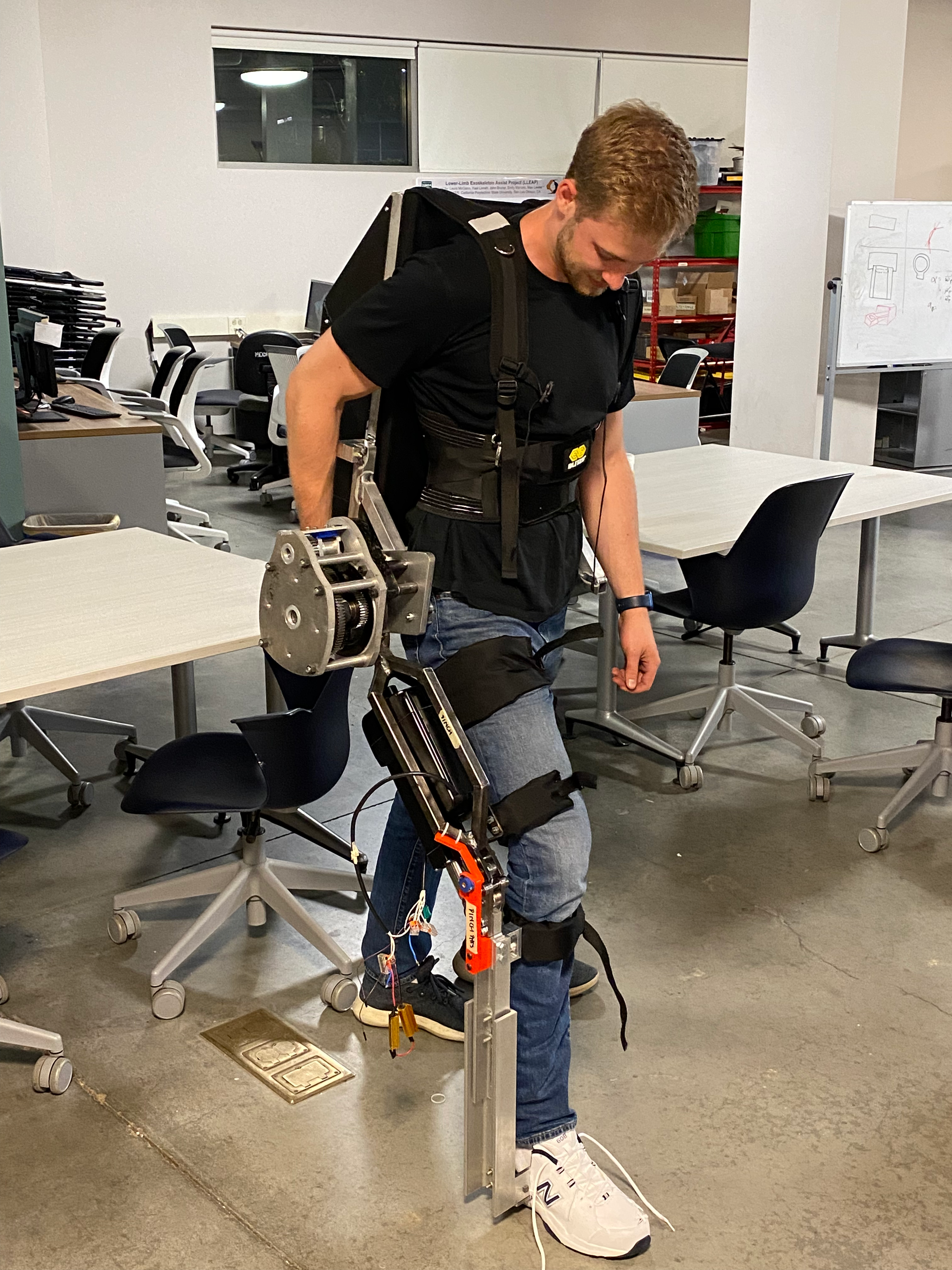
The project began within Quality of Life Plus, later known as EMPOWER, with a challenge to develop an exoskeleton for a person with cerebral palsy.
The team adopted the Lower Limb Exoskeleton Assist Project name and continued design, simulation, and software work.
Students designed and prototyped subsystems. Single-leg operation was achieved with the V1 prototype.
LLEAP became an independently funded instructionally related activity and continued development toward its next exoskeleton iteration.
Version 2 was assembled in May 2026. Work continues on its operating software alongside the design, manufacturing, and integration of Version 3.
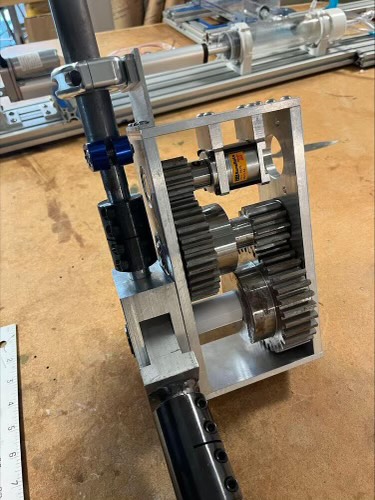
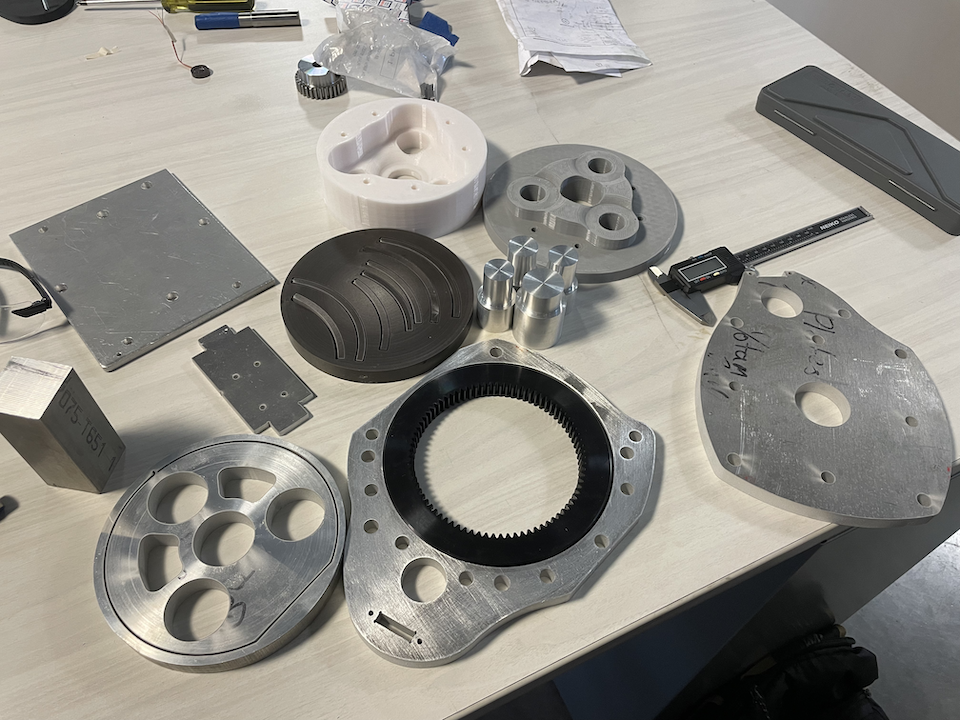
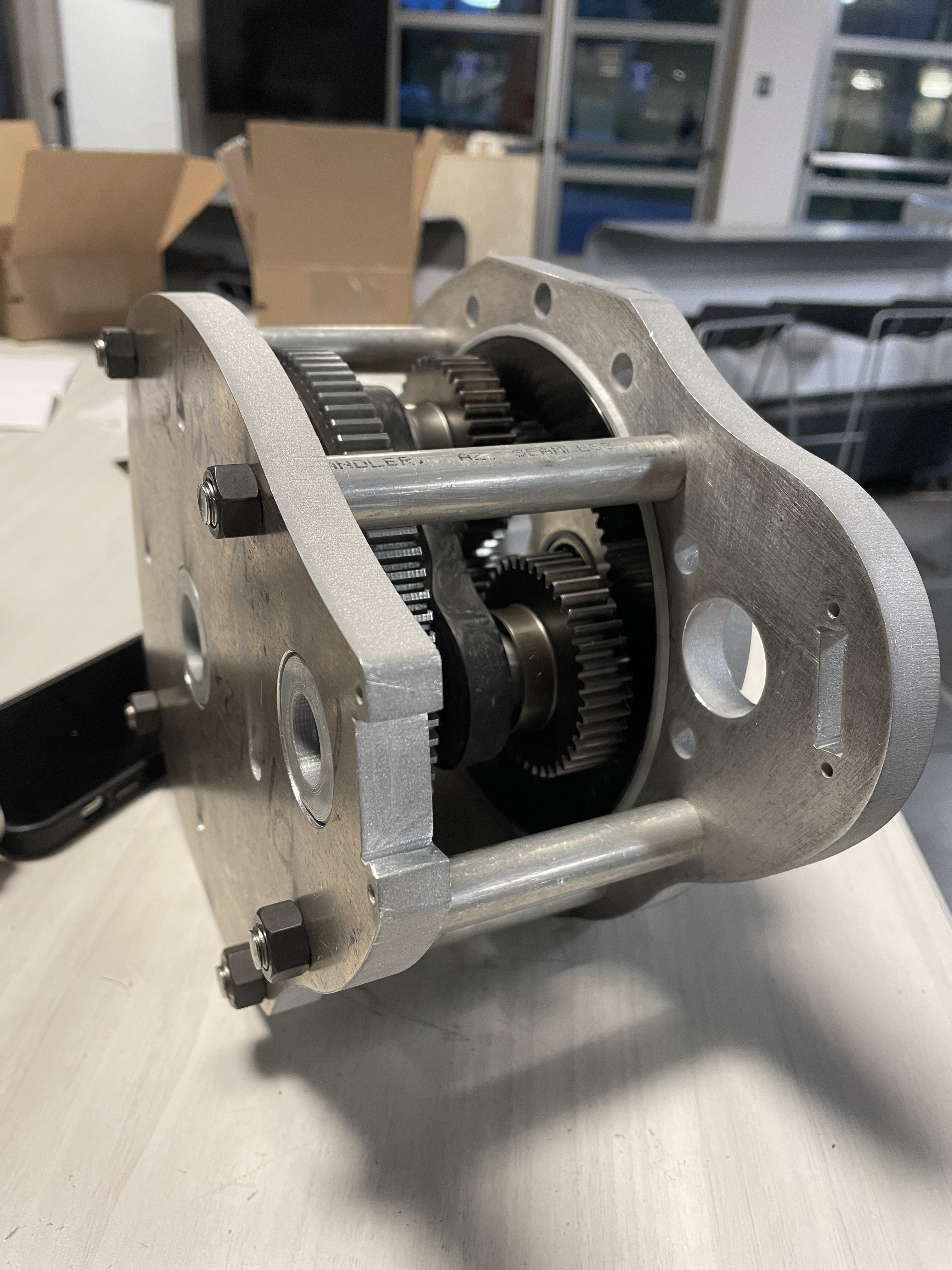
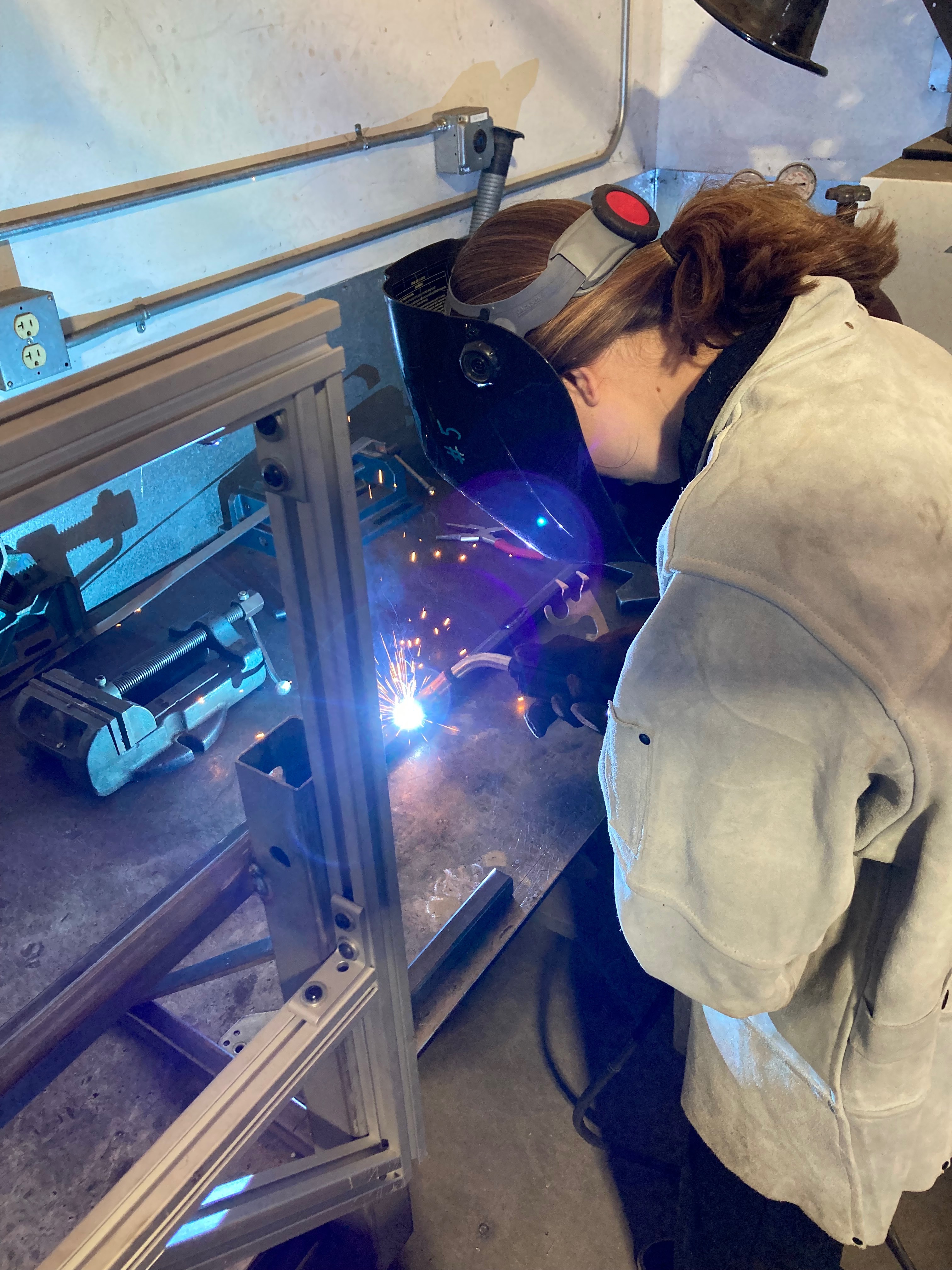
Our teams build the exoskeleton’s structure, joints, ankle mechanisms, electronics, and code. Students work together on design decisions and test their components on the same device.
Meet the teams